



.
Featured Equipment, Products & Services

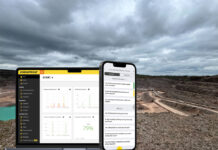
Astec Jeffrey Rader® Electromechanical Vibrating Feeder
Astec’s Jeffrey Rader® feeders are designed to maximize operations with enhanced structure for handling large, lumpy materials more efficiently with reduced energy consumption.
Our latest...
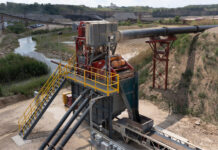
McLanahan’s UltraFINES Recovery System Improve Plant Performance
UltraFINES Recovery Systems
McLanahan’s UltraFINES Recovery Systems are used to help producers maximize resource recovery and reduce waste. Designed to capture and dewater fine solids...
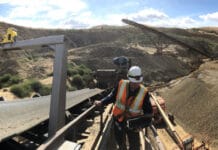
VEGA Americas WeighTrac 31 Provides Reliable Measurement for Materials on the Move
Reliable measurement for materials on the move
When it comes to cementitious materials, there’s a lot riding on conveyor belts. Users count on conveyors to...
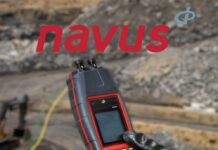
Dyno Nobel’s Navus Handheld Electronic Blasting System
In an industry where productivity and profitability go hand in hand, electronic detonators offer unmatched timing accuracy that gives mines and quarries enhanced control...
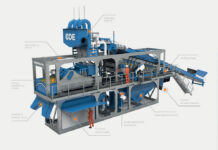
CDE’s ModaLine™ Fast-Deploy Washing Systems: Built to Move. Designed to Perform
ModaLine™ Fast-Deploy Washing Systems: Built to Move. Designed to Perform.
ModaLine Fast-Deploy Washing Systems are CDE’s new containerized range of sand washing solutions, engineered to...
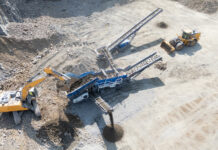
The MOBISCREEN MSS 1102 PRO Mobile Scalper from KLEEMANN
The new MOBISCREEN MSS 1102 PRO mobile scalper from KLEEMANN is characterized by its high output, simple operating concept, and outstanding ergonomics. Thanks to...
Additional Product Reviews
VIDEO VIEWER
More Product Reviews





TRADESHOWS

FOLLOW US

Around the Industry
